
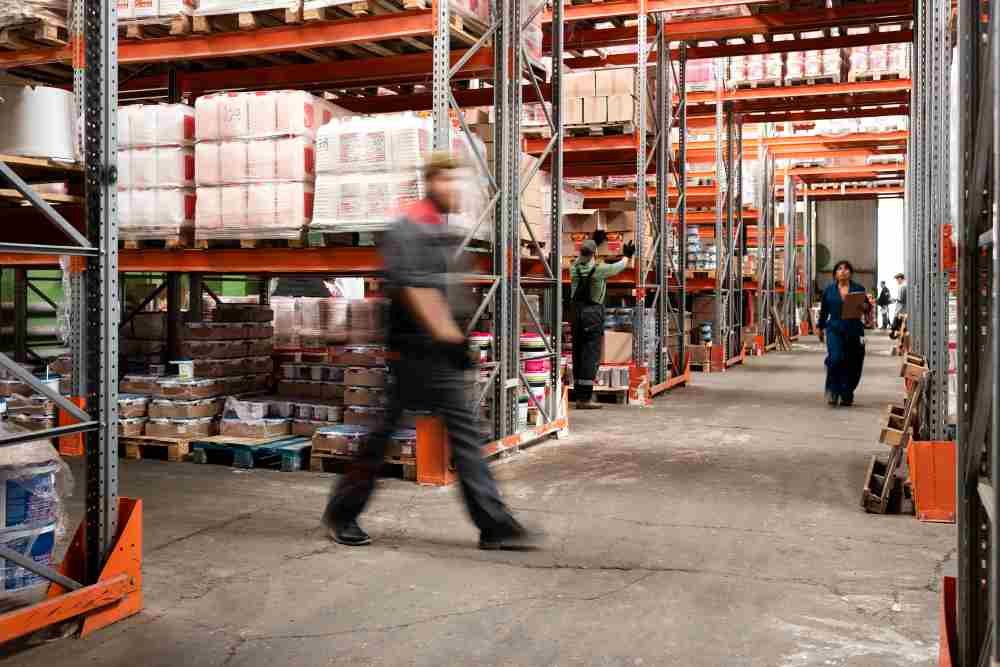
Heavy-duty rack shelves are essential for businesses that require strong, durable, and efficient storage systems. Whether in warehouses, factories, retail stores, or workshops, these racks ensure safety, organization, and accessibility for heavy or bulky goods. Choosing the right type of heavy-duty rack shelf can significantly increase storage capacity, reduce floor clutter, and improve operational efficiency.
This article explores the best types of heavy-duty rack shelves, their features, applications, and benefits — helping you choose the most suitable one for your needs.
1. What is a Heavy-Duty Rack Shelf?
A heavy-duty rack shelf is a robust metal shelving system designed to hold heavy loads, typically ranging from 500kg to several tons per level. These racks are made from industrial-grade steel and are engineered for strength, stability, and durability.
They are commonly used in:
- Warehouses and distribution centers
- Manufacturing plants
- Automotive workshops
- Retail storage rooms
- Cold storage facilities
Heavy-duty rack shelves come in various designs and load-bearing capacities to fit different storage needs.
2. Importance of Using Heavy-Duty Racks
Heavy-duty racks are not just for storing items — they are part of a structured storage solution. Some of their key advantages include:
- Maximizing vertical space by efficiently utilizing warehouse height.
- Improving safety by keeping heavy materials properly secured.
- Reducing operational time as items become easier to access.
- Enhancing inventory management with organized, labeled shelving.
- Increasing longevity due to their durable construction.
3. Top Types of Heavy-Duty Rack Shelves
Here are the most reliable and widely used types of heavy-duty rack shelves for commercial and industrial use:
3.1 Selective Pallet Racks
Selective pallet racks are one of the most common and versatile types of heavy-duty racks. They provide easy access to every pallet and can be customized to fit different pallet sizes.
Features:
- Adjustable beam levels.
- Ideal for forklift access.
- Easy to install and reconfigure.
- Suitable for fast-moving inventory.
Best for: Warehouses and logistics centers with a high turnover of goods.
3.2 Drive-In and Drive-Through Racks
These racks allow forklifts to enter the rack system to place or retrieve pallets. They are designed for high-density storage where space optimization is key.
Features:
- Shared load rails instead of beams.
- “Drive-in” has one entry point, while “Drive-through” allows access from both sides.
- Reduces aisle space requirements.
Best for: Cold storage, bulk storage, and warehouses with homogeneous products.
3.3 Cantilever Racks
Cantilever racks are specifically designed for long or awkwardly shaped items such as pipes, steel bars, and wooden planks.
Features:
- No vertical obstructions at the front.
- Adjustable arms for different load sizes.
- High load-bearing capacity.
- Easy to access with forklifts.
Best for: Construction materials, lumberyards, and manufacturing plants.
3.4 Heavy-Duty Boltless Shelving
This is a modular shelving system that doesn’t require bolts or screws for assembly. It’s ideal for medium to heavy loads and is often used for manual storage.
Features:
- Simple, tool-free assembly.
- Customizable shelf heights.
- Powder-coated steel finish for durability.
- Aesthetic enough for retail storage rooms.
Best for: Workshops, eCommerce backrooms, and small warehouses.
3.5 Longspan Racking System
Longspan racks bridge the gap between light-duty shelving and pallet racking. They are perfect for storing items that are too large for normal shelves but too small for pallet racking.
Features:
- Adjustable shelf levels.
- Medium to heavy load capacity (200kg – 1000kg per level).
- Compatible with wooden, steel, or wire decking.
Best for: Retail stockrooms, factories, and spare parts storage.
3.6 Mezzanine Floor Racking
A mezzanine racking system creates an additional storage level within the warehouse, doubling available space without expanding the building footprint.
Features:
- Custom-built structures with walkways and safety rails.
- Can be combined with other rack types.
- Ideal for lightweight and heavy items.
Best for: Large warehouses with high ceilings and limited ground space.
3.7 Mobile Racking System
Also known as compact storage, these racks move along tracks on the floor, allowing access to one aisle at a time.
Features:
- Maximizes floor space by reducing the number of aisles.
- Can hold very heavy loads.
- Mechanically or electrically operated.
Best for: Cold rooms, archives, and high-value inventory storage.
4. Factors to Consider When Choosing a Heavy-Duty Rack Shelf
Choosing the right type of rack involves evaluating several key factors:
- Load Capacity: Determine how much weight each shelf must bear.
- Space Availability: Consider ceiling height and aisle width.
- Product Type: Shape, size, and frequency of item access.
- Future Expansion: Opt for modular racks that can be expanded later.
- Material & Coating: Choose powder-coated steel for durability and rust protection.
- Safety Standards: Ensure the racks comply with industrial safety guidelines.
5. Benefits of Heavy-Duty Rack Shelving Systems
Investing in a heavy-duty racking system offers multiple long-term benefits:
- Optimized warehouse space utilization
- Improved workflow and efficiency
- Enhanced product safety
- Lower operational costs due to reduced damage and downtime
- Customizable configurations for different types of goods
6. Maintenance Tips for Heavy-Duty Racks
To ensure safety and longevity:
- Inspect racks regularly for rust, damage, or loose bolts.
- Avoid exceeding the maximum load limit.
- Clean racks to prevent dust buildup.
- Replace damaged beams or shelves immediately.
- Train staff to follow proper loading procedures.
7. Best Uses of Heavy-Duty Rack Shelves in Different Industries
- Manufacturing: For storing raw materials and components.
- Retail & Wholesale: To organize backroom inventory.
- Automotive: For tires, tools, and heavy equipment parts.
- Cold Storage: For frozen food or pharmaceutical goods.
- Construction: For pipes, bars, and heavy construction materials.
8. The Role of Professional Rack Suppliers
A good rack supplier provides design consultation, site measurement, and customized installation. In Malaysia, suppliers like EMTS Malaysia are trusted for their wide range of industrial and supermarket racks. They offer high-quality heavy-duty racks that meet industry safety standards, with options for customization, coating finishes, and long-term durability.
Choosing a professional supplier ensures the racks are properly installed and can safely handle maximum loads.
Conclusion
Heavy-duty rack shelves are vital for efficient storage and safe material handling. From selective pallet racks to cantilever racks and longspan shelving, the right choice depends on your business needs, space, and type of inventory. Investing in durable, well-engineered racks not only increases efficiency but also extends the lifespan of your warehouse infrastructure.
Always choose a trusted supplier with experience and proven quality — such as EMTS Malaysia — to ensure reliability, safety, and long-term value for your storage investment.
FAQs
1. What is the load capacity of a heavy-duty rack shelf?
Depending on design and material, heavy-duty racks can support from 500kg up to several tons per level.
2. Which type of rack is best for warehouse storage?
Selective pallet racks and drive-in racks are the most common for large warehouse operations.
3. Are heavy-duty racks customizable?
Yes. Many suppliers, including EMTS Malaysia, offer customized rack sizes, colors, and load capacities to suit specific needs.
4. How do I maintain a heavy-duty rack shelf?
Regular inspections, proper cleaning, and avoiding overloading are key to ensuring safety and durability.
5. Can heavy-duty racks be used in retail stores?
Absolutely. They are ideal for storage rooms or areas that require robust, space-efficient shelving.